Trending


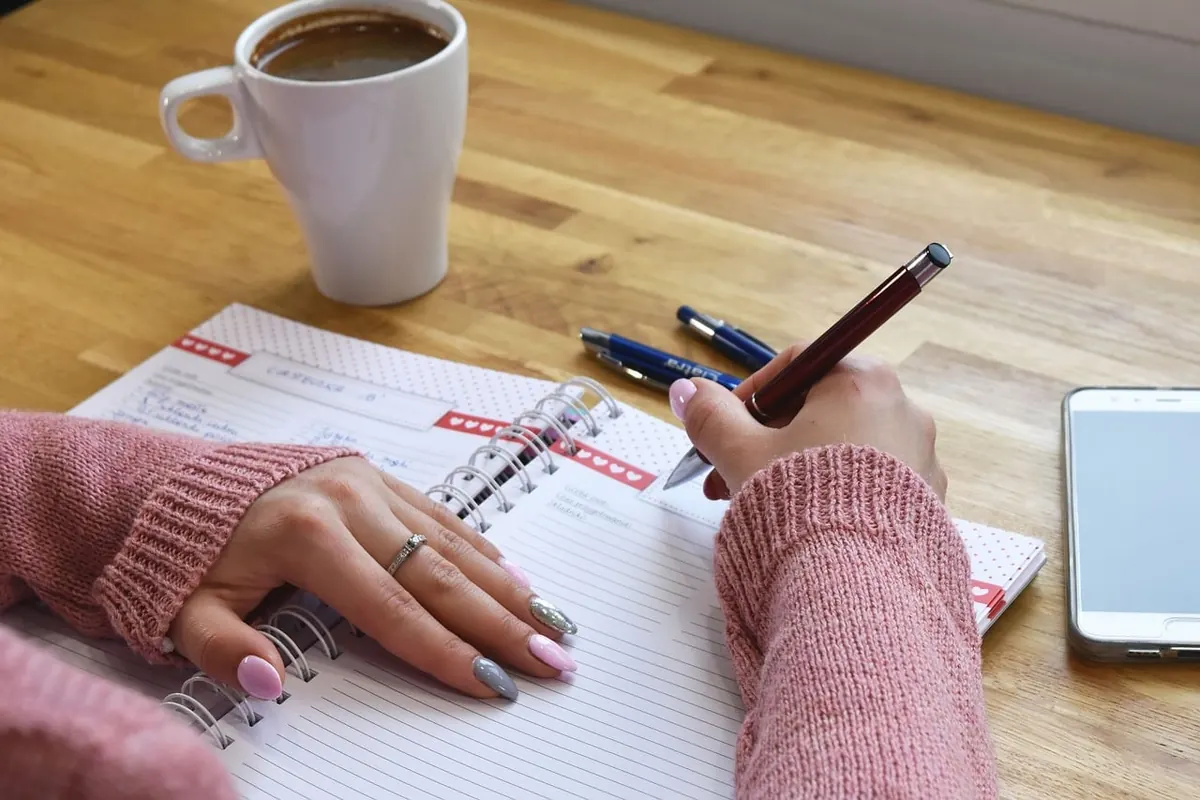
There is a week in October when the mornings turn sharp and the leaves start to turn. If you keep a diary, that week is worth writing about. Autumn does something useful for anyone with a notebook: it slows the pace without stopping it, and it puts an ending in view. Christmas, the end of a project, the last quarter — whatever marker matters to you is close enough to plan for and far enough away to do something about.
The prompts below are built around three jobs: noticing what has changed, saying thank you for what has held, and deciding what to finish before the year closes.
Change is easier to see in autumn than in spring. The light goes, the garden gives up, the coat comes out. Your own shifts are usually quieter, which is exactly why they need a page. Answer these in prose rather than bullet points; a few honest sentences beat a tidy grid.
Gratitude writing goes wrong when it turns into a performance. Three lines of "so grateful for my amazing family" every night will teach you nothing. Keep it specific and small instead.
If the shorter days leave you persistently low rather than simply reflective, mention it to your GP. A diary works well alongside proper support; it is not a replacement for it.
By mid-October, the goals you set in January are either happening or they are not. Look at them without drama.
Write your original list at the top of a fresh page, then draw three columns: Still matters, Needs changing, Let it go. Nothing belongs in the first column unless you can name the next action. "Write a book" is not an action. "Write 300 words on Tuesday and Thursday" is.
Rewrite anything that matters as something with a day and a time attached. Be realistic about December: it is a month for finishing, not starting. Book the swim, the class, the appointment now, so the decision is already made when the evenings are dark and your resolve is thinner.
Pick a slot and defend it: Sunday evening once the washing-up is done, or Tuesday morning before anyone else is up. Ten minutes is enough. Keep the notebook where you actually sit, not in a drawer, and if you write on a phone, put the app on the home screen where you can see it.
Three prompts in a sitting is plenty. Reread what you wrote on the first of each month. A diary with dated pages helps here — the printed date is a nudge, and it shows you the gaps without judging them.
Autumn rewards a notebook more than any other season. The year is still open, the evenings are long, and there is just enough time left to change something.
Photo: neelam279 / Pixabay