Trending


A diary is a small promise you make to yourself: that this week, this thought, this appointment will be somewhere you can find again. The format you choose either supports that promise or quietly undermines it. A ring binder that sheds pages, a notes app syncing to a shared family account, a beautiful hardback too heavy to carry — each fails for a different reason. The trick is knowing which trade-offs you can live with.
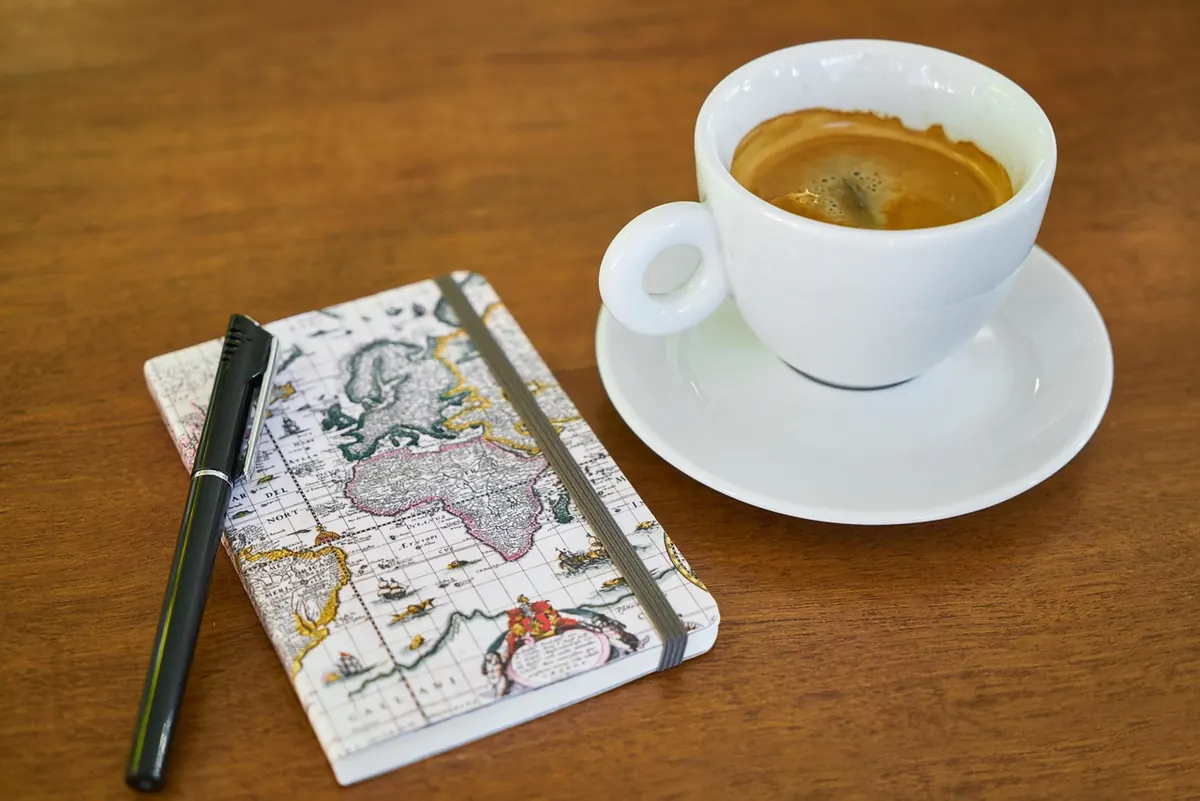
Bound diaries — stitched, glued or case-bound — hold their pages in one unchangeable order. That is the point. You get a ribbon marker, a page for every day, and no decisions beyond turning up and writing.
A few practical distinctions matter. Sewn bindings, where pages are gathered in sections and stitched through the spine, lie flatter and survive years of handling. Cheaper glued bindings can crack if you force them open at the spine, so break a new diary in gently rather than flattening it on the first day. Pocket sizes slip into a coat; A5 suits a desk or work bag; anything larger becomes furniture. Week-to-view layouts work well for appointments, while a day-per-page suits long entries.
The limits are structural. You cannot reorder pages, insert extra ones, or remove an entry you regret. If your days are unpredictable and your notes messy, that rigidity can start to feel like a cage. Thickness adds weight quickly, too — a 500-page volume is not something most people carry daily. Choose a slimmer diary and keep a second notebook for overflow rather than buying a brick you leave at home.
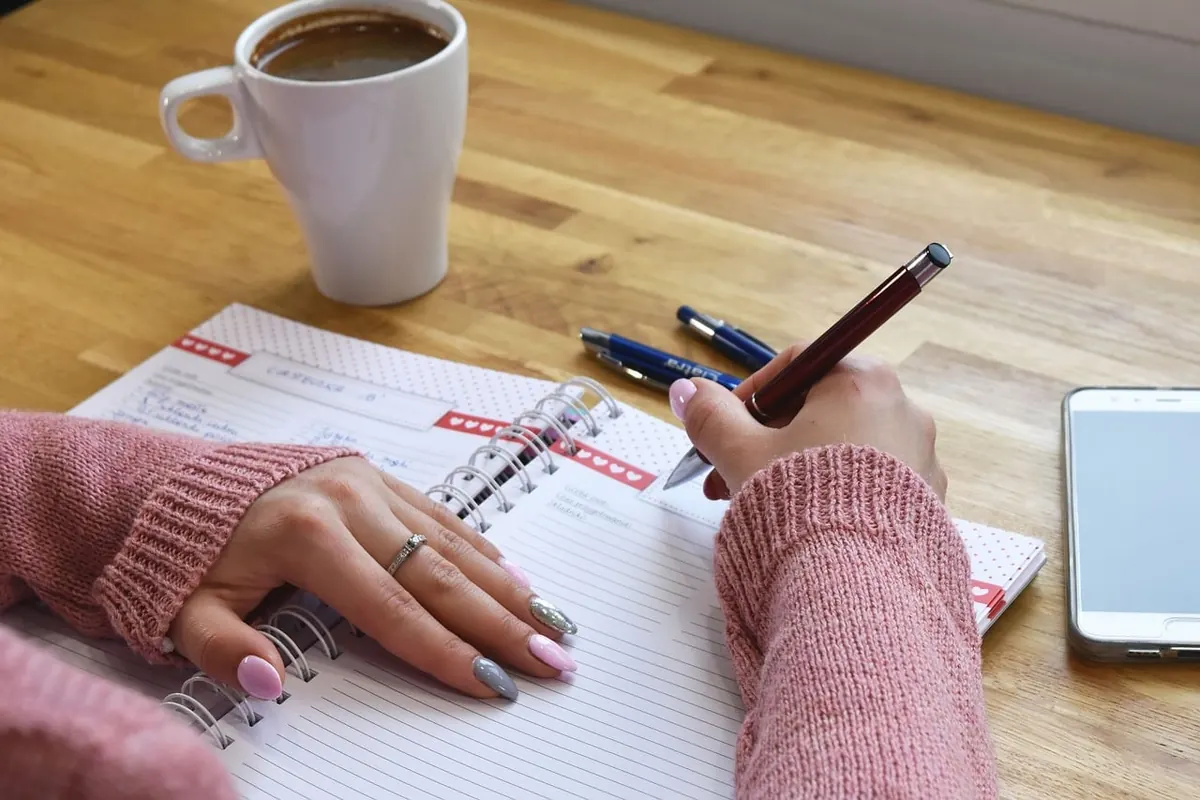
Loose-leaf covers ring binders, discbound notebooks and clip folders that take refill paper. You buy a cover once and then add, remove and reorder sheets as your needs change. It is the most flexible paper option, and the most demanding to maintain.
It suits a work diary you rebuild each month, a journal that mixes planning pages with meeting notes and longer reflections, or an archive where finished years go into slim folders while the cover lives on.
Privacy is easier here than with a bound book: a single page can be removed and destroyed without trace. The corollary is that pages can fall out, be borrowed, or be lost between the car seat and the kitchen table.
Digital wins on retrieval. Type a word and every mention appears in a second. You can attach photographs, links, timestamps and reminders, and the whole thing travels in your pocket.
The costs sit elsewhere. Privacy depends entirely on how you set things up. A notes app syncing to a shared account is not private, and neither is an unlocked device. If you write about health, money, relationships or other people, switch on device encryption, use a passcode and biometric lock, and check whether your app uploads content to a server you do not control. Where records might matter legally or financially, take proper advice on how to store them rather than relying on a default setting.
Long-term storage needs deliberate care. Apps close, subscriptions lapse and file formats drift. Plain text or Markdown files kept in folders you control, exported at least once or twice a year, will outlive most apps. Add a PDF export for anything with layout. Two copies in two places beats one perfect system every time.
If you write a few lines most days, a bound diary rewards the habit. The fixed page removes friction: open, date, write. If you write in bursts — nothing for a fortnight, then ten pages in an evening — loose-leaf absorbs that rhythm without wasting blank dated pages. If you capture thoughts on trains, in queues and at strange hours, digital keeps up with you, provided you set aside time to tidy and export.
Many people end up hybrid, and that is fine. A pocket notebook for quick capture, a bound diary for evening reflection, and a digital file for anything you need to find again. What matters is that each format has a clear job, and that you know where the master copy lives.
Buy one diary, not five. Write in it for four weeks, then ask three questions: did I carry it, did I use it, could I find something in it? If any answer is no, change one thing rather than starting over. Add tabs to a bound book, move to thinner refills, or set a weekly reminder to export your digital notes.
Finished diaries deserve better than a damp loft. Keep them in a dry box away from direct sun, and label the spines with the years they cover. Digital entries should be exported regularly and stored in at least two places, one of them off-site. A diary is only valuable if it survives long enough to be read again.
Photo: freephotocc / Pixabay